Efoiling Safety Tips: Expert Advice for Beginners


Understanding Efoiling
Efoiling, a thrilling water sport, combines the excitement of surfing with cutting-edge technology. As you glide over the water propelled by an electric motor, it’s crucial to prioritize safety. Whether you're a novice or have some experience, understanding basic safety tips is essential for a fun and secure experience.
Choosing the Right Equipment
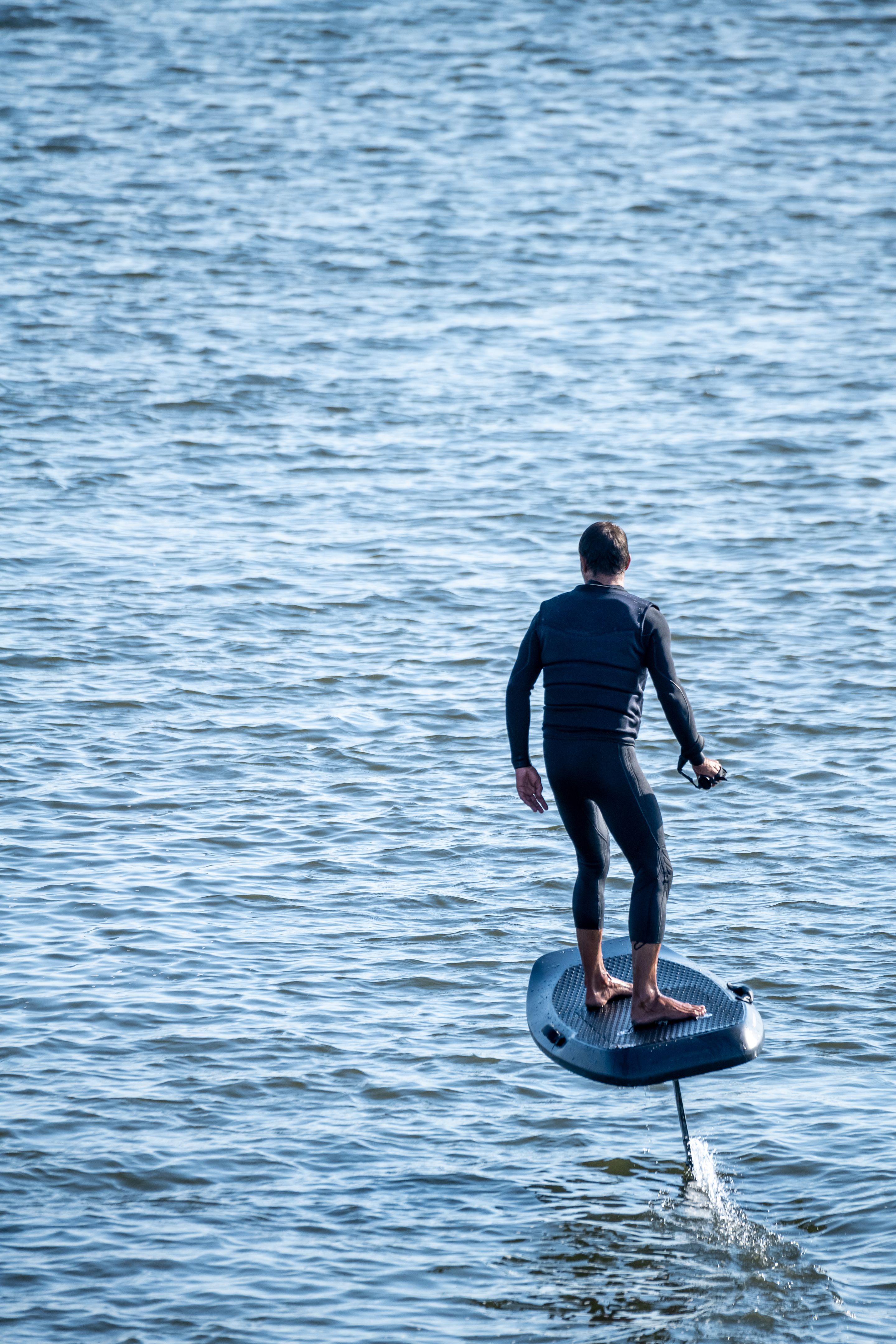
The first step in ensuring safety is selecting appropriate equipment. Beginners should opt for a board that offers stability and control. Look for a board with a larger surface area and a reliable efoil motor. Investing in a quality board can significantly enhance your learning experience.
Wearing the right gear is also important. A wetsuit provides warmth and buoyancy, while a helmet offers head protection. Don't forget a life vest, which is a non-negotiable safety item for any water sport.
Learning the Basics
Before hitting the water, familiarize yourself with the equipment. Practice on land to understand how the remote control affects the speed and direction of the board. Mastering the basics on land can help prevent accidents when you’re on the water.
Consider taking lessons from a certified instructor. Professional guidance can drastically reduce the learning curve and ensure that you develop correct techniques from the start.
Understanding Water Conditions
Always check the weather and water conditions before heading out. Calm waters and clear weather are ideal for efoiling, especially for beginners. Avoid crowded areas to reduce the risk of collisions and accidents.
Be aware of tides, currents, and any potential obstacles in the water. Familiarize yourself with local regulations and guidelines for efoiling in your area.

Safety Protocols While Efoiling
Always maintain a safe distance from other water users. If you fall, move away from the board to avoid injury from the foil or motor. Practice falling safely by jumping away from the board to minimize impact.
Regularly inspect your equipment for any signs of wear and tear. Ensure that the efoil motor and battery are functioning correctly before use. Routine checks can prevent malfunctions and accidents.
Emergency Preparedness
Being prepared for emergencies is crucial. Carry a whistle or signaling device to attract attention if needed. Inform someone onshore about your efoiling plans, including your expected return time.
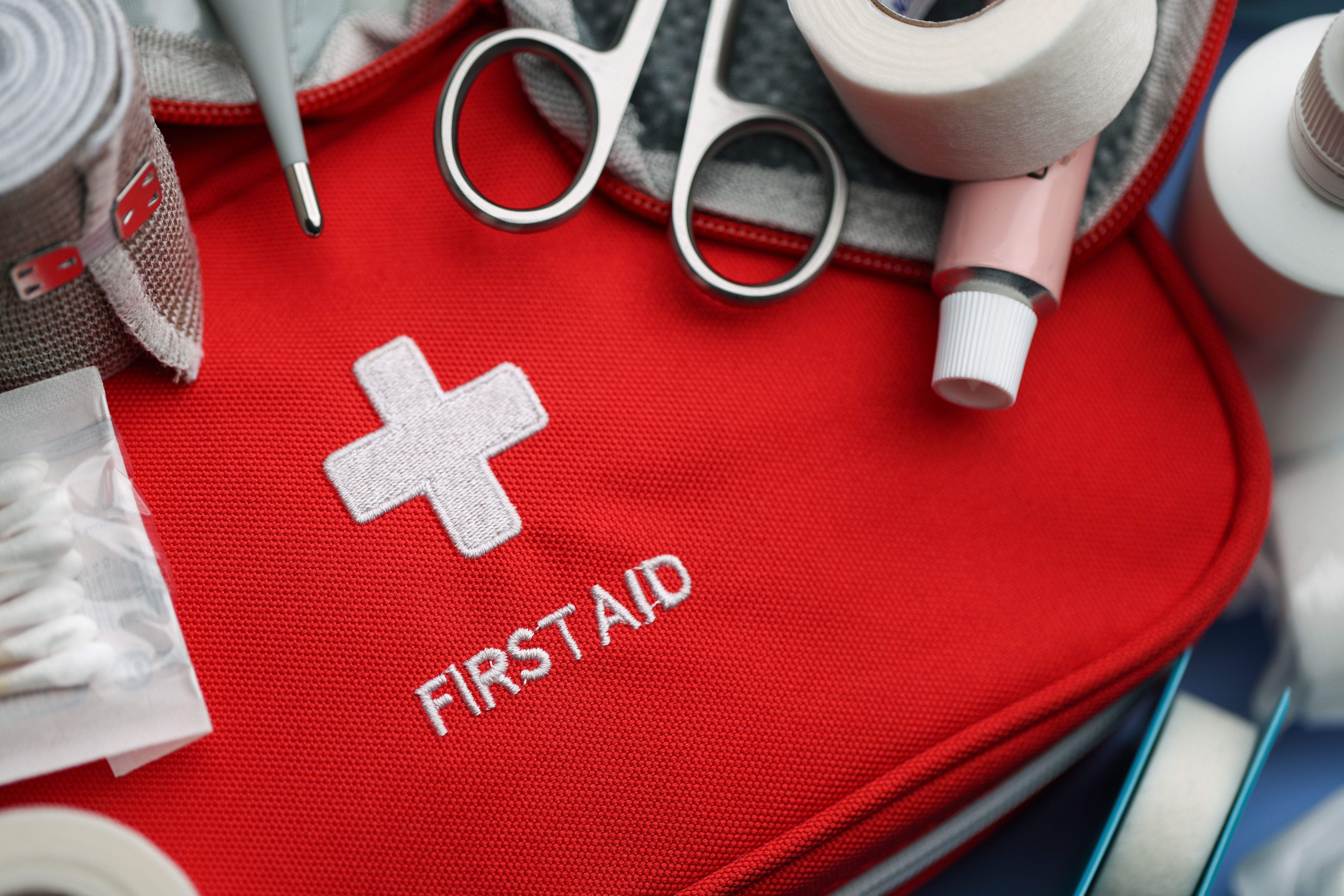
Understanding basic first aid can be invaluable in case of an accident. Enrolling in a first aid course tailored for water sports can equip you with the necessary skills to handle minor injuries.
Conclusion
Efoiling offers an exhilarating experience, but safety should always be the top priority. By choosing the right equipment, understanding water conditions, and following safety protocols, you can enjoy this sport with confidence. Remember, practice and preparation are key to a safe and enjoyable efoiling adventure.