Efoiling vs Traditional Surfing: Which is Right for You?


When it comes to water sports, both efoiling and traditional surfing offer thrilling experiences, but they cater to different preferences and skill sets. Whether you're drawn to the classic wave-riding of surfing or the futuristic glide of efoiling, understanding the differences between these sports can help you choose the right one for your next adventure.
Understanding Efoiling
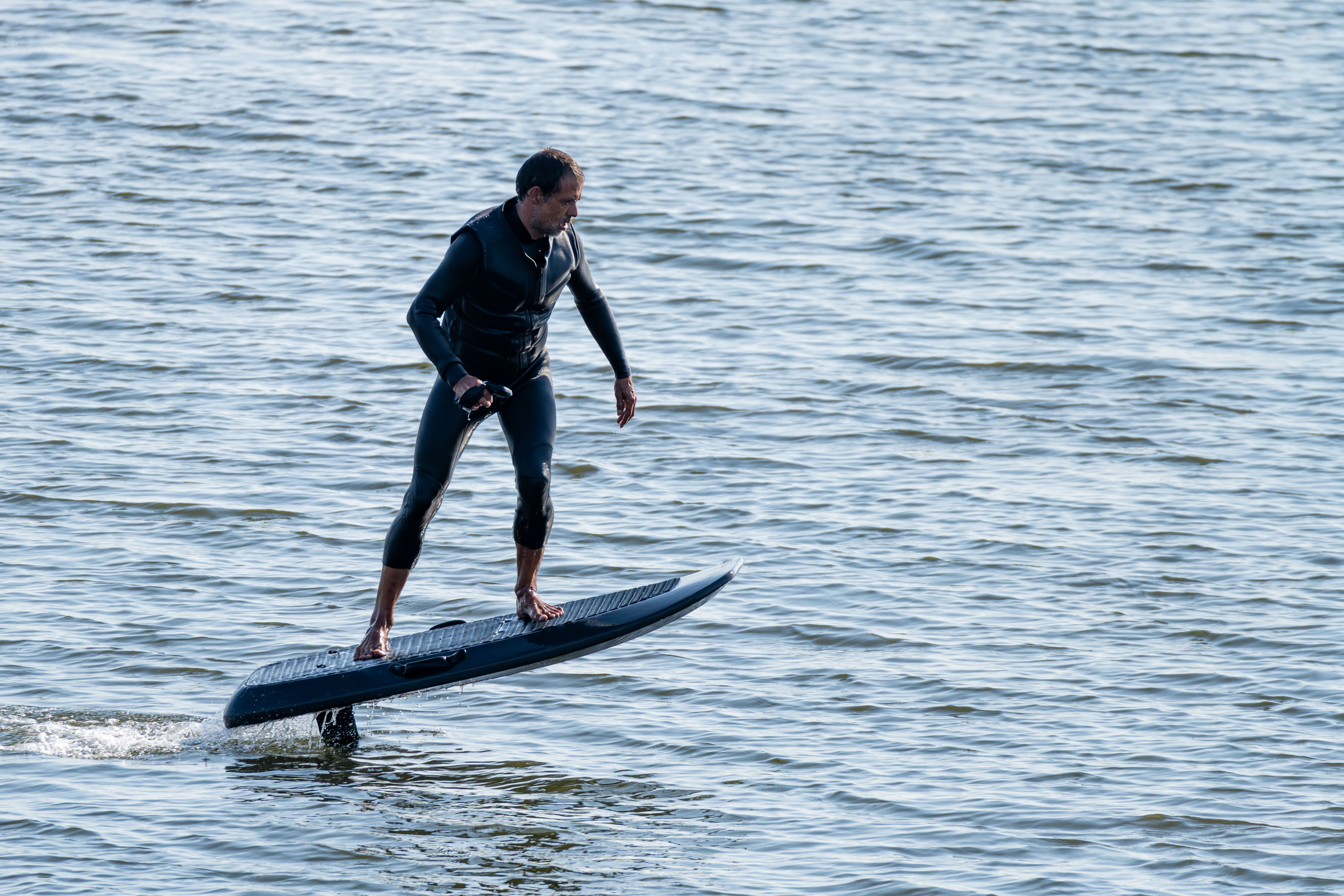
Efoiling is a relatively new sport that combines elements of surfing with advanced technology. An efoil is essentially a surfboard with an electric motor and a hydrofoil, allowing riders to glide above the water's surface. This innovation provides a unique sense of flight and speed without relying on waves or wind.
One of the major advantages of efoiling is its versatility. Unlike traditional surfing, which requires specific wave conditions, efoiling can be enjoyed in calm waters, making it accessible to more locations and weather conditions. Additionally, the learning curve for efoiling is often shorter, with many beginners mastering the basics within a few sessions.
The Classic Appeal of Traditional Surfing
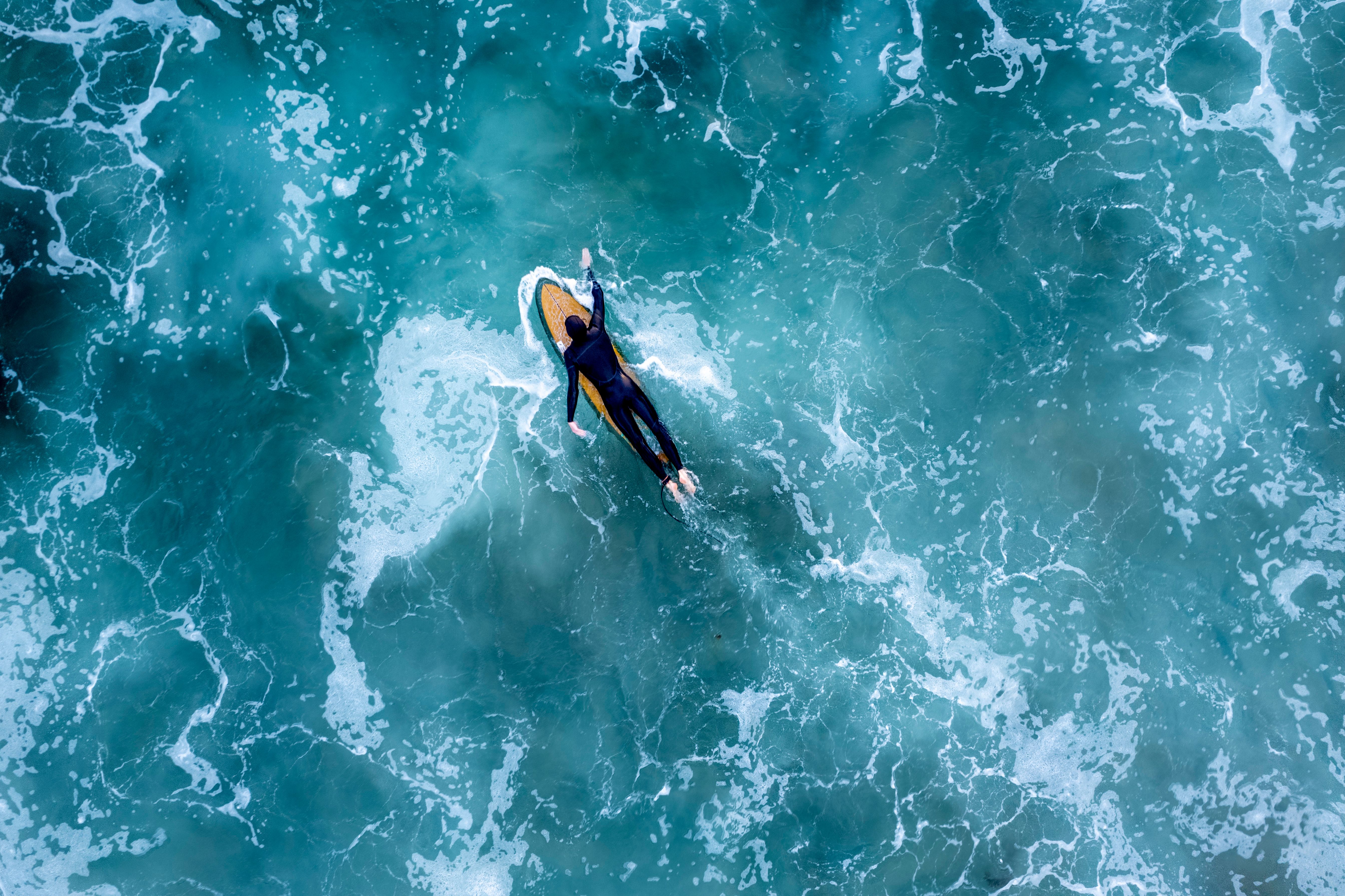
Traditional surfing is a timeless sport with deep cultural roots. It involves riding waves on a surfboard and requires a combination of balance, strength, and timing. The connection with nature and the thrill of catching a perfect wave are unmatched and have made surfing a beloved activity worldwide.
Surfing offers a more physically demanding experience, as paddling and positioning are crucial components. This aspect provides an excellent workout, engaging various muscle groups and enhancing cardiovascular fitness. The challenge of mastering waves also adds to the sport's allure, attracting those who enjoy pushing their limits.
Comparing the Experiences
When deciding between efoiling and traditional surfing, consider what type of experience you're seeking. Efoiling offers a sensation of flying over water, with the ability to ride in diverse conditions. It's perfect for those who enjoy high-tech gadgets and want a new adventure without being tied to the ocean's whims.
On the other hand, if you crave the natural rhythm of the sea and the satisfaction of conquering waves, traditional surfing may be your calling. It provides a more organic and physically engaging experience, with a strong sense of community among surfers.

Environmental Impact
Both sports have an environmental footprint, but they differ in their impact. Traditional surfing relies solely on natural elements, making it a more eco-friendly option. Surfboards can be produced sustainably, and the sport leaves no emissions as it harnesses the power of the ocean.
Efoiling, while innovative, involves batteries and motors that require energy and materials for production. However, many efoil companies are striving to minimize their environmental impact by using recyclable materials and promoting sustainable practices.
Making Your Choice
Ultimately, the decision between efoiling and traditional surfing comes down to personal preference. Consider factors such as your location, desired physical intensity, and interest in technology. Both sports offer unique thrills and the opportunity to connect with the water in different ways.
Whether you're drawn to the cutting-edge excitement of efoiling or the soulful tradition of surfing, both options promise unforgettable experiences. Embrace the water, explore your options, and enjoy the ride!